

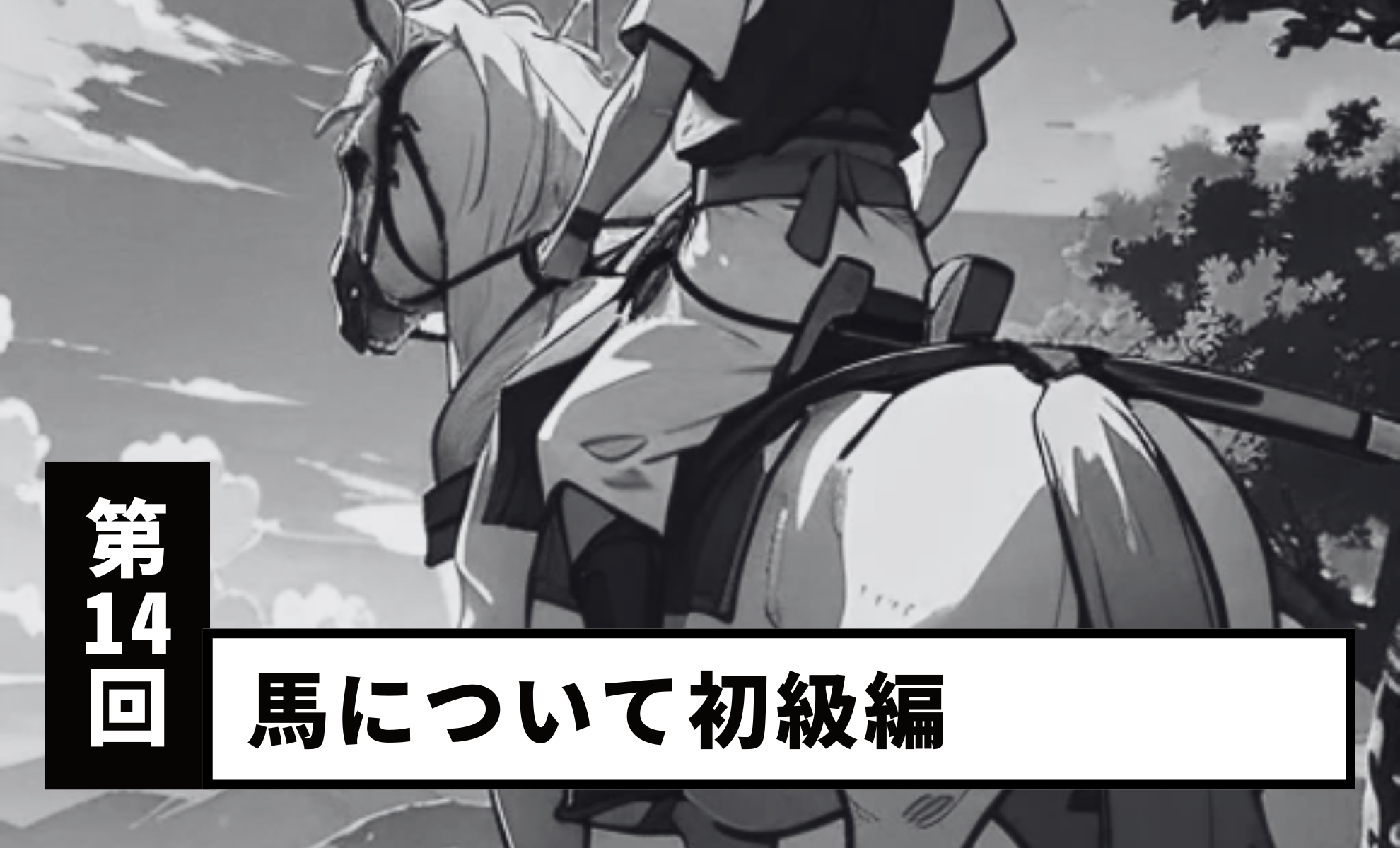
Horses cannot speak human language, but we can understand what they are feeling through their movements and expressions. By understanding a horse's characteristics and communicating with them, we can build a relationship of trust. Next time you see a horse, be sure to check these points.
Horse Ears: A Window to Their Emotions
A horse's ears are a crucial part for expressing emotion. By observing the movement and direction of their ears, you can understand how a horse is feeling.
Ears pinned flat back
This signals anger or fear. It's safer not to approach a horse in this state.
Ears facing forward
This indicates interest or concentration. You'll see this when they're paying attention to something.
Ears relaxed and turned sideways
This shows a calm, relaxed state. A horse like this is usually easy to interact with.
Horse Eyes: Key to Building Trust
Horse eyes are large and round, appearing cute, yet they reveal the horse's instincts and nature.
Both eyes looking at you
Horses have different fields of vision in each eye. When both eyes are focused on you, it shows they feel safe and secure, perceiving no danger around them. Achieving this indicates a trusting relationship has been established.
Wide Field of Vision, But Blind Spots Exist
Horses have an extremely wide field of vision, allowing them to see in almost all directions, except directly behind them. Therefore, when moving behind a horse, it's crucial to speak to them and move carefully to avoid startling them.
The Horse's Nose: A Sensitive Sense of Smell
A horse's nose is extremely sensitive to scent. Its sense of smell is said to be 1000 times more acute than a human's, and it uses scent to judge people and its environment.
Building Trust Through Scent
Before touching a horse, bringing your hand to its nose to let it smell you can help it feel at ease. This also communicates to the horse that you are not a threat.
Respect the Caretaker's Guidance
How to interact with a horse varies from horse to horse. Therefore, when touching a horse, always listen to the caretaker or handler's instructions and approach in a way that makes the horse feel secure.
The Joy of Understanding Horse Characteristics
Learning about a horse's emotions and traits through its ears, eyes, and nose is the first step in deepening your trust with the horse. When observing a horse, pay attention to these points and try to sense its feelings.
![[Part 13] Before Starting the Soma Nomaoi School](https://en.soma-nomaoi.com/wp-content/uploads/2024/12/vol13_title-300x182.png)




![[Part 3] Among the warriors participating in the Nomaoi festival, who is the most senior?](https://en.soma-nomaoi.com/wp-content/uploads/2024/10/vol3_title-150x150.png)