
The Soma Nomaoi is a traditional event boasting over 1,000 years of history, yet its content has gradually evolved over time. Not all rituals performed in the past continue today in exactly the same form. Rather, the current shape of the Soma Nomaoi has been formed by incorporating new elements suited to the times.
The Evolution of the Nomoi: Modern Technology and Changes to the Event
In the old days of the Nomoi, participants used shouts, flags, and signal fires to communicate and share information while riding their horses. Today, however, mobile phones, radios, and vehicles are used. This represents an evolution that maintains the traditional event while enhancing safety and efficiency.
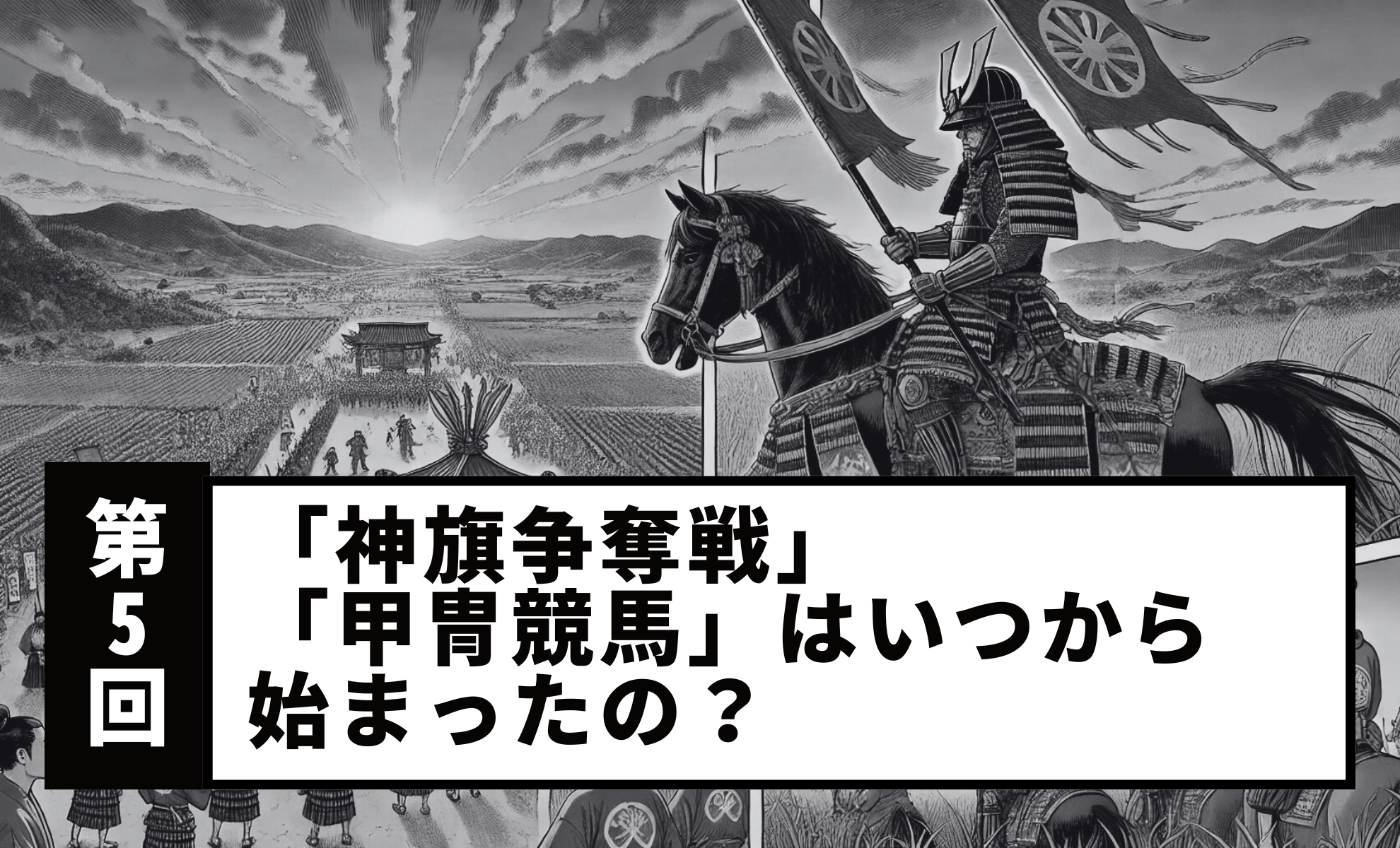
Furthermore, competitions now central to the festival, such as the Sacred Flag Contest (Shinki Sōdatsu-sen) and the Armored Horse Race (Katchū Keiba), were not always part of the tradition. The emergence of each competition is linked to societal changes and evolving public expectations.
The Beginnings of the Sacred Flag Contest
The Sacred Flag Contest began approximately 150 years ago, around the time the era of the samurai was coming to an end. Prior to this, the Nomoi focused primarily on the “Nomakake” (Wild Horse Chase), where participants drove and captured horses. However, as opportunities for samurai to excel diminished, this bold and spectacular event emerged as a way to entertain spectators.
The basic rules remain unchanged: a sacred flag is stuffed into a fireworks shell and launched into the air. Warriors on horseback use whips to grab it. This event showcases the warriors' skill and courage, making it one of the highlights of the Nomamoi.
The Birth of Armored Horse Racing
Armored Horse Racing is even newer than the sacred flag contest, beginning in 1949 (Showa 23), after the war. It was devised during the postwar reconstruction period to position the Soma Nomamoi as a “peaceful equestrian sports festival.” In this event, mounted warriors clad in armor (yoroi and kabuto) compete in horse racing. It recreates the traditional image of samurai while also possessing the entertainment value of a modern sport.
However, for one or two years before the Armored Horse Race began, a relay-style horse race was trialed. It seems spectators found it somewhat dull, and it reportedly wasn't very popular. Learning from this experience, the current Armored Horse Race was born.
An Evolving Tradition
The Soma Nomaoi has developed in ways suited to the modern era while carefully preserving its ancient traditions. Behind this lies the passion and effort of the local people. Understanding this evolutionary process reveals that the Nomaoi is not merely an “old festival,” but a “living culture” that walks alongside the times.

![[Part 13] Before Starting the Soma Nomaoi School](https://en.soma-nomaoi.com/wp-content/uploads/2024/12/vol13_title-150x150.png)